Home Generator Installation in Denver County, CO
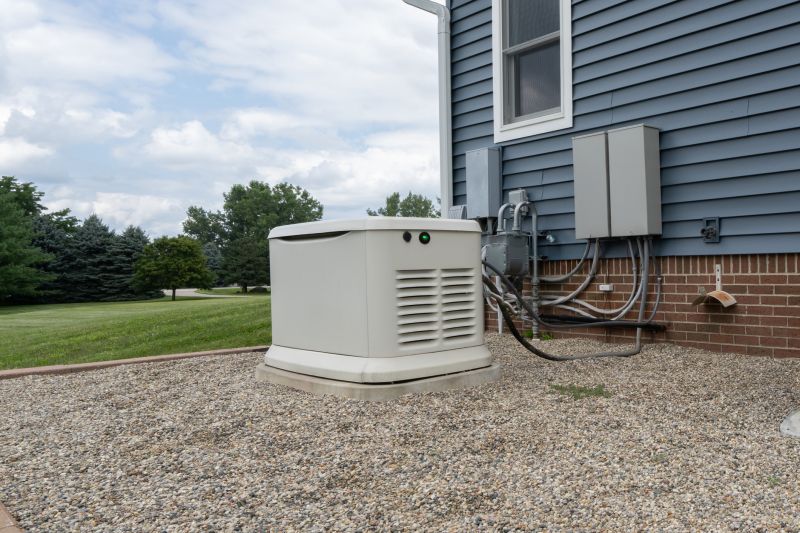
Home generator installation services involve setting up backup power systems that automatically activate during outages, providing continuous electricity for essential appliances and systems. These projects typically cover installing standby generators for residential properties, whether for single-family homes or larger estates, and may include electrical wiring, transfer switches, and integration with existing electrical panels. Homeowners often want to understand the size and capacity of the generator needed to support their household's power needs, as well as the installation process, safety considerations, and any local regulations that might apply.
Before requesting home generator installation, property owners usually seek clarity on the generator types available, such as portable versus standby models, and the benefits of automatic operation. They also want to know about the space requirements, maintenance considerations, and the overall impact on their property. Understanding the scope of the installation, including whether modifications to the electrical system are necessary, helps homeowners prepare for the project and ensure the backup power system aligns with their household priorities.
Many property owners in Denver County, CO look into Home Generator Installation for repairs, replacements, upgrades, and appearance-related improvements.
Generator System Options
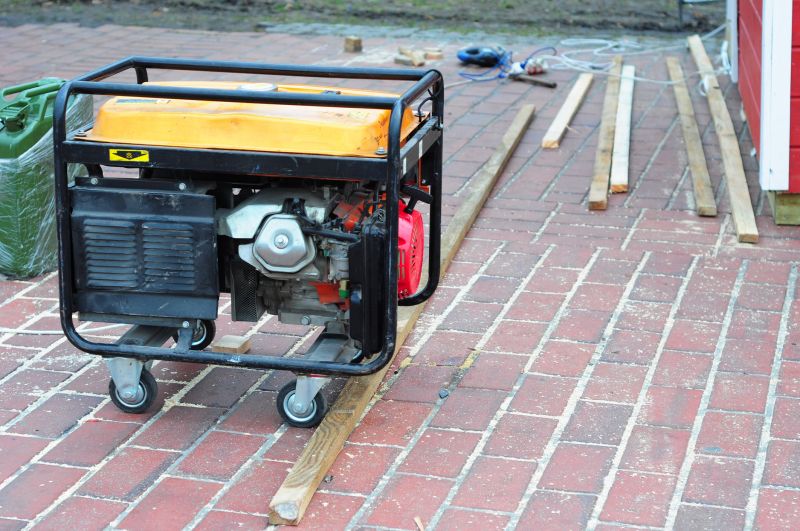
Choosing the right generator size and type for residential backup power needs.
Installation Considerations
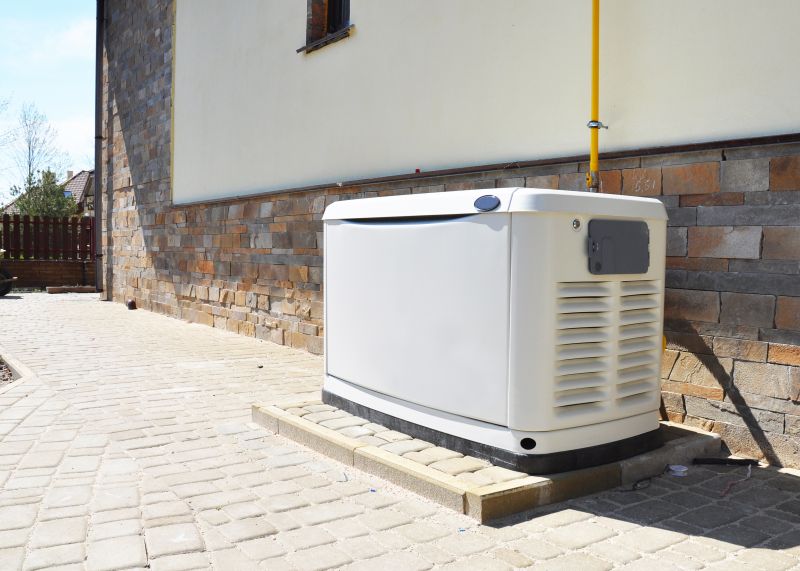
Proper placement and connection to ensure reliable operation during outages.
Maintenance And Safety
Regular servicing and safety checks to keep the generator functioning properly in denver county, co.
Home Generator Installation in Denver County, CO
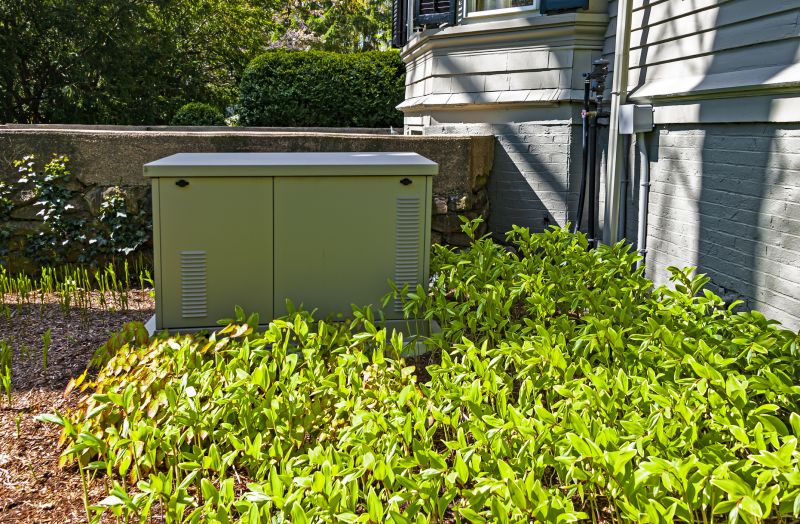
Home generator installation services involve setting up backup power systems that automatically activate during outages, providing continuous electricity for essential appliances and systems. These projects typically cover installing standby generators for residential properties, whether for single-family homes or larger estates, and may include electrical wiring, transfer switches, and integration with existing electrical panels. Homeowners often want to understand the size and capacity of the generator needed to support their household's power needs, as well as the installation process, safety considerations, and any local regulations that might apply.
Before requesting home generator installation, property owners usually seek clarity on the generator types available, such as portable versus standby models, and the benefits of automatic operation. They also want to know about the space requirements, maintenance considerations, and the overall impact on their property. Understanding the scope of the installation, including whether modifications to the electrical system are necessary, helps homeowners prepare for the project and ensure the backup power system aligns with their household priorities.
Many property owners in Denver County, CO look into Home Generator Installation for repairs, replacements, upgrades, and appearance-related improvements.
Common Home Generator Installation Jobs
Home generator installation - ensures reliable backup power during outages to keep essential appliances running.
Whole-house generator setup - provides seamless power supply for the entire property in case of electrical failure.
Standby generator installation - offers automatic power backup that activates immediately when the grid goes down.
Generator transfer switch installation - allows safe and easy switching between utility power and backup power sources.
Generator system upgrades - improves existing setups for better performance and increased capacity.
Emergency power solutions - helps maintain critical functions during severe weather or utility disruptions.
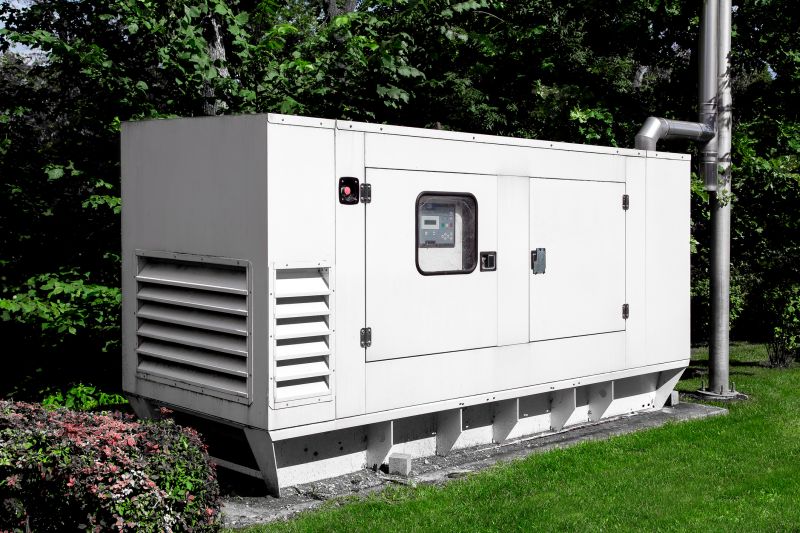
Home Generator Installation Questions
What types of homes benefit from a home generator? Homes with frequent power outages or critical appliances often benefit from installing a home generator to ensure continuous power supply.
How does a generator connect to a home’s electrical system? A generator is integrated into the home's electrical system through a transfer switch, which manages power flow during outages.
What are common sources for home generators? Generators typically run on natural gas, propane, or diesel, depending on the home's existing connections and preferences.
What should property owners consider before installation? It’s important to evaluate the power needs, available space, and local regulations before installing a home generator.
Request Home Generator Installation in Denver County, CO
Use the quote form on this page to share the basics of your project and request more information for the type of work you need.